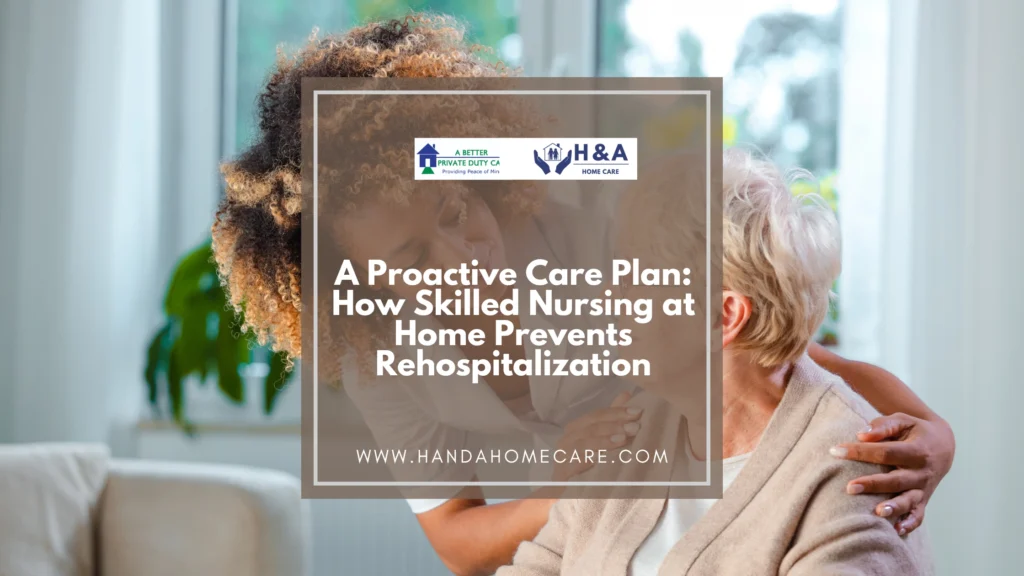
Many hospital readmissions begin at home. Not because families do not care, but because recovery becomes complicated quickly. Instructions change. Medications increase. Symptoms are not always obvious until they suddenly are.
This is why skilled nursing at home prevents rehospitalization more effectively than reactive care. Instead of waiting for problems to escalate, skilled nurses monitor recovery early, guide caregivers through decisions, and address issues before another hospital visit becomes necessary.
For caregivers across Atlanta, GA, including families supporting recovery at home in Lawrenceville and nearby areas, this approach provides structure during a time that often feels uncertain.
Post-Hospital Recovery Challenges in Atlanta Homes
Hospitals across metro Atlanta discharge patients daily. Once home, caregivers are often left managing medical tasks without clinical support.
Common challenges include confusion around medications, delays in follow-up appointments, uncertainty about symptoms, and difficulty balancing care with daily responsibilities. Without guidance, families attempt to recreate the structure of skilled nursing care in their homes. That expectation is unrealistic and frequently leads to avoidable readmissions.
This gap is where skilled nursing home health care becomes essential.
What Skilled Nursing at Home Actually Provides
Skilled nursing at home brings clinical oversight into the environment where recovery happens every day. Nurses assess medical needs while also observing how health conditions interact with daily routines, mobility, and the home environment.
Skilled nursing care typically includes monitoring vital signs, managing medications, supporting chronic conditions, providing wound care, and communicating with physicians. This level of oversight follows safety principles used in skilled nursing facility long-term care, adapted for individual households.
What the First Week at Home Often Looks Like
For many caregivers, the first week after discharge is the most stressful. Discharge paperwork is reviewed repeatedly. Medication timing feels overwhelming. Caregivers watch closely for symptoms without knowing what is normal.
With skilled nursing in home health care, the first week becomes more structured. A nurse helps establish routines, reviews medications, checks vital signs, and answers questions as they arise. This early support often prevents small concerns from turning into emergencies.
Why Home-Based Skilled Nursing Reduces Readmissions
Skilled nursing at home works because it focuses on prevention, not reaction. Nurses monitor subtle changes, provide consistent oversight, and reduce guesswork for caregivers.
Unlike skilled care nursing homes, home-based care allows nurses to observe risks tied directly to daily living conditions. This proactive model explains why skilled home care lowers rehospitalization rates.
Early Detection Makes a Difference
In long-term care skilled nursing facility settings, patients are continuously observed. At home, that same vigilance must be intentional.
With in-home skilled nursing care, nurses watch for breathing changes, swelling, confusion, fatigue, and wound changes. Tracking these trends over time allows nurses to intervene early. This is one of the clearest reasons skilled nursing at home prevents rehospitalization.
Medication Management Reduces Common Mistakes
Medication changes after discharge are a major source of caregiver stress and readmissions.
Skilled nurses help by reviewing discharge medications, identifying interactions, monitoring side effects, and reinforcing correct timing and dosage. These safeguards reflect practices used in skilled nursing long term care and long term skilled nursing care environments, applied in a home setting.
Wound Care Requires Clinical Oversight
Wound care often feels intimidating for caregivers. Fear of infection or missing warning signs is common.
Wound care nursing skills include assessing healing, identifying infection early, managing dressings, and documenting progress. With skilled home nursing care, wounds receive consistent attention comparable to skilled care in nursing homes.
Chronic Conditions Add Ongoing Risk
Heart disease, diabetes, and respiratory conditions require daily attention. Skilled care nursing principles allow nurses to track symptoms, adjust care plans, communicate changes to providers, and reinforce daily routines.
This level of oversight mirrors skilled nursing long-term care while allowing patients to remain at home.
Hospital-Level Skills Applied in the Home
Many skilled nurses bring experience from high-acuity settings. Their training often includes intensive care unit, critical care, and intensive care nursing skills. These abilities help nurses recognize early deterioration before emergencies develop.
How Skilled Nursing Supports Caregivers
Caregivers often sense when something feels off but hesitate to act without confirmation. Over time, uncertainty and fatigue increase risk.
Skilled nursing in home health care supports caregivers by answering questions in real time, reducing decision fatigue, reinforcing routines, and providing reassurance.
Signs You May Need Skilled Nursing Support
Caregivers often delay asking for help. Common signals include constant medication double-checking, lost sleep over symptoms, uncertainty about when to call a doctor, or feeling overwhelmed.
Needing support does not mean failure. It often means recovery has become more complex.
When Skilled Nursing at Home Is Appropriate
Skilled nursing may be helpful after hospital discharge, following surgery, during chronic condition flare-ups, for complex wound care, or for declining functional ability. Early planning reduces emergencies later.
A Smarter, Safer Recovery Path
Recovery does not end at discharge. It shifts into a home environment where risks change daily. With clinical oversight, early intervention, and caregiver support, skilled nursing at home prevents rehospitalization while reducing uncertainty.
For caregivers across Atlanta, GA, this approach helps extend hospital-level vigilance into everyday life. Seeking guidance during recovery is a practical step toward safer outcomes at home.